




When Uric Acid Strikes: Understanding the Sudden Pain of Gout
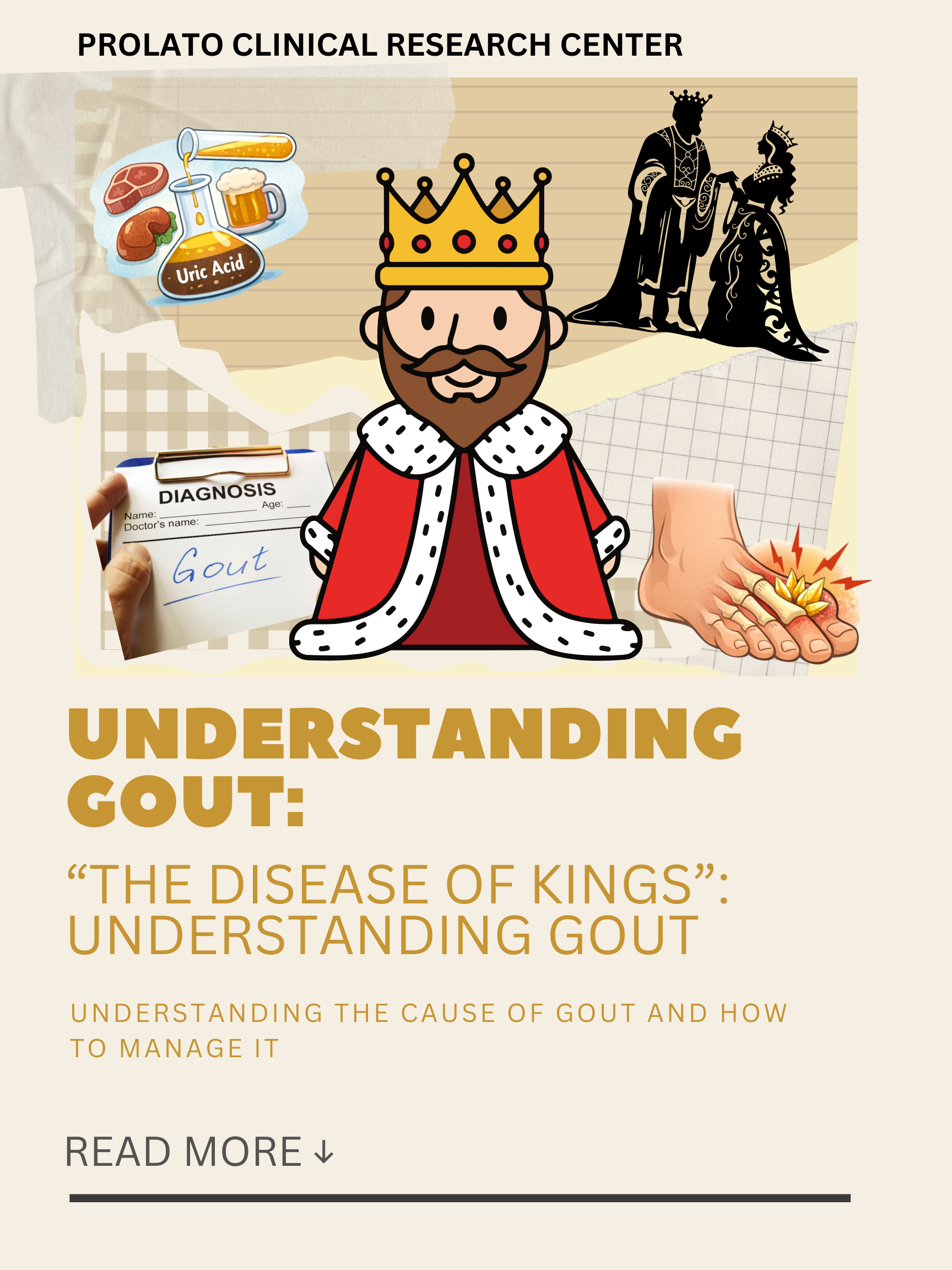
Gout is a painful form of arthritis that can strike suddenly, often waking people in the middle of the night with intense joint pain. It occurs when uric acid builds up in the body and forms tiny crystals that settle in the joints, causing inflammation, swelling, and redness. While the pain can feel overwhelming during a flare, understanding what causes gout — and how it can be managed — is an important step toward protecting long-term joint health.
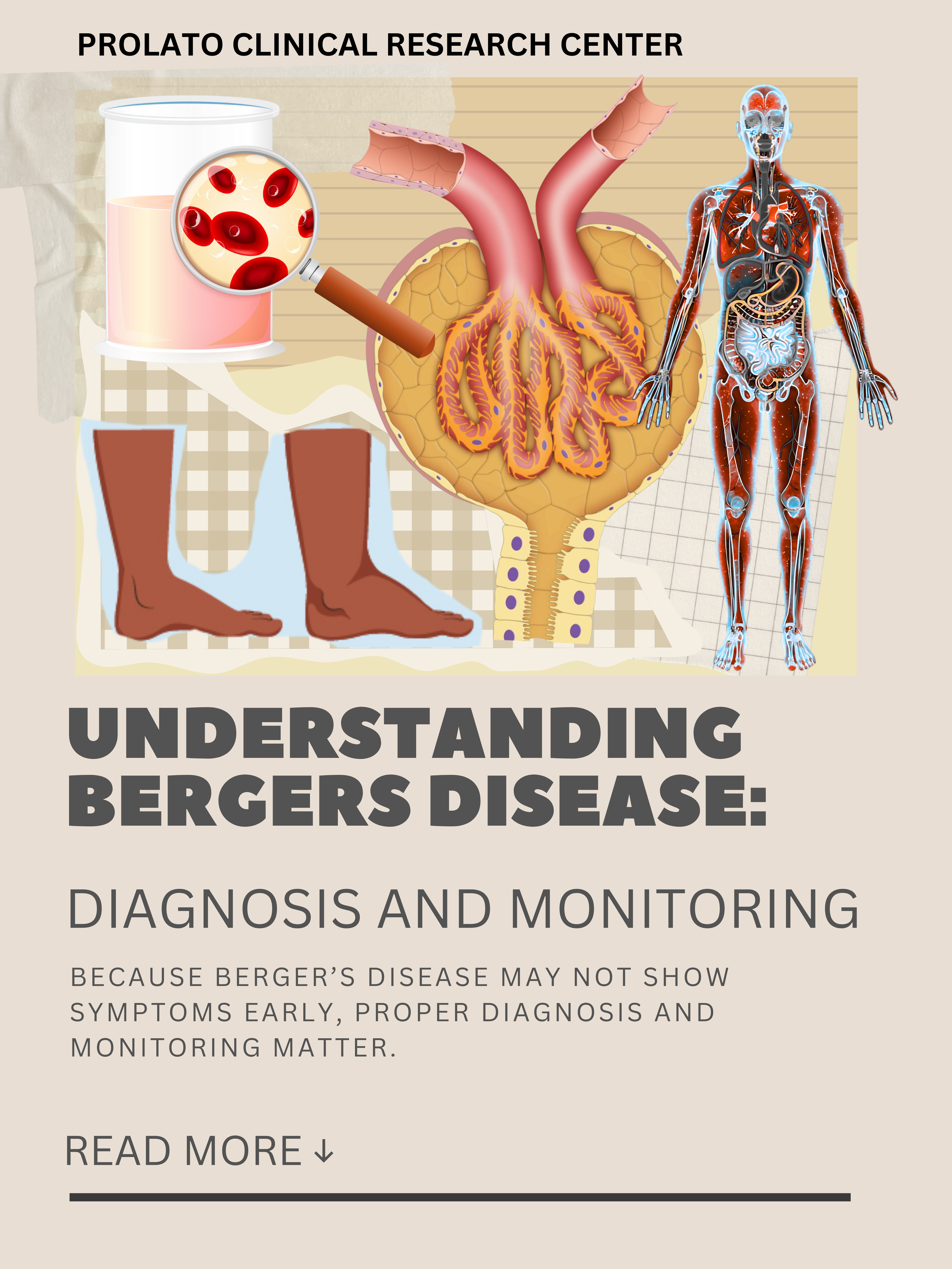
IgA Nephropathy: The Clogged Filter
In Berger’s disease, IgA antibodies build up in the kidney’s tiny filters, causing inflammation that can affect kidney function over time. Because the condition often develops quietly, early awareness and monitoring are important.
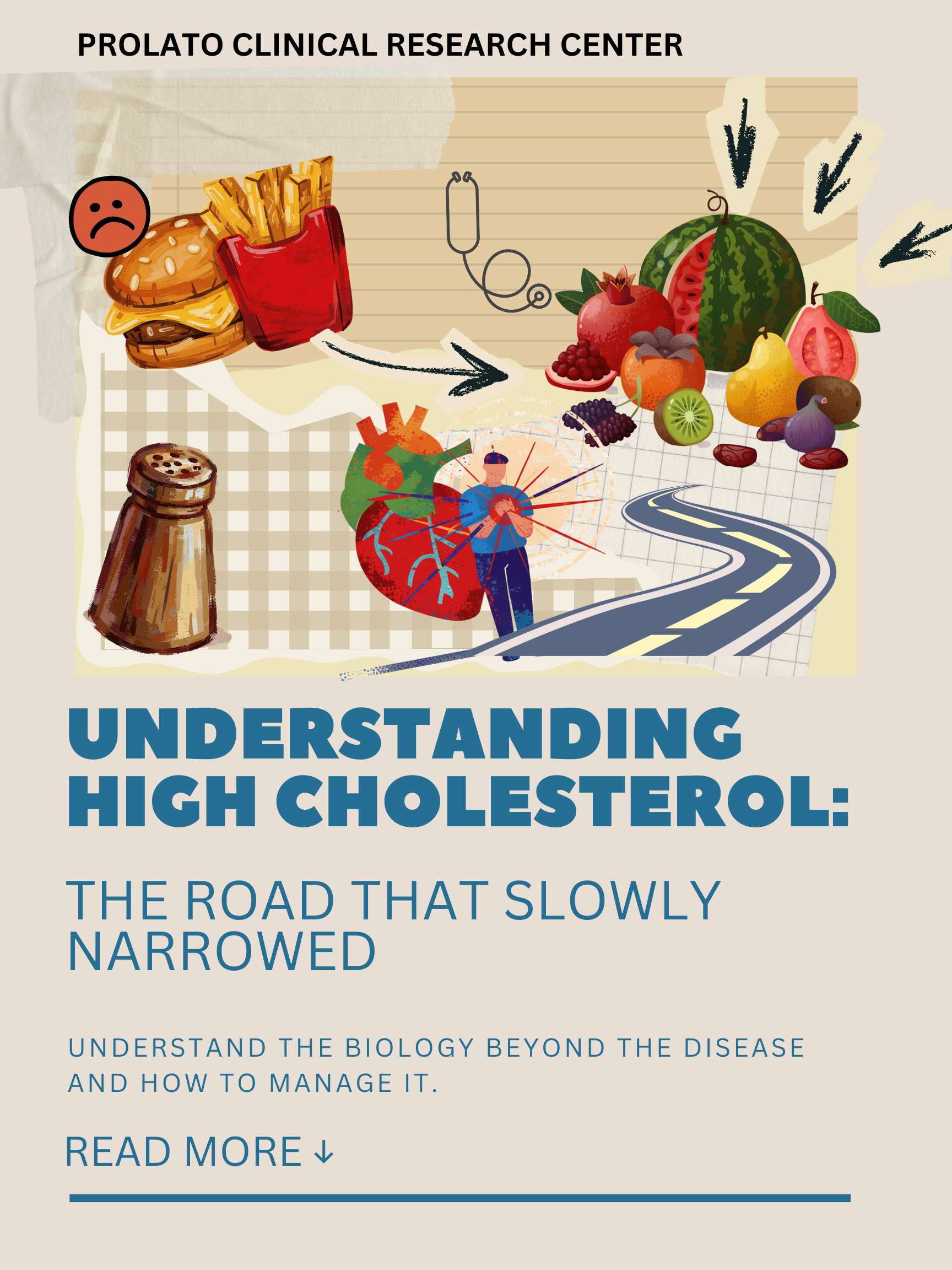
The Roads That Slowly Narrowed
Every day, your blood travels thousands of miles through a delicate network of vessels, delivering oxygen and nutrients that keep your body alive and energized. But when too much cholesterol builds up along those vessel walls, those pathways begin to narrow—forcing your heart to work harder and increasing the risk of serious conditions like heart attack and stroke. High cholesterol often develops silently, without noticeable symptoms, making early detection and prevention critical. Understanding how hyperlipidemia affects the body is the first step toward protecting your heart and overall health.
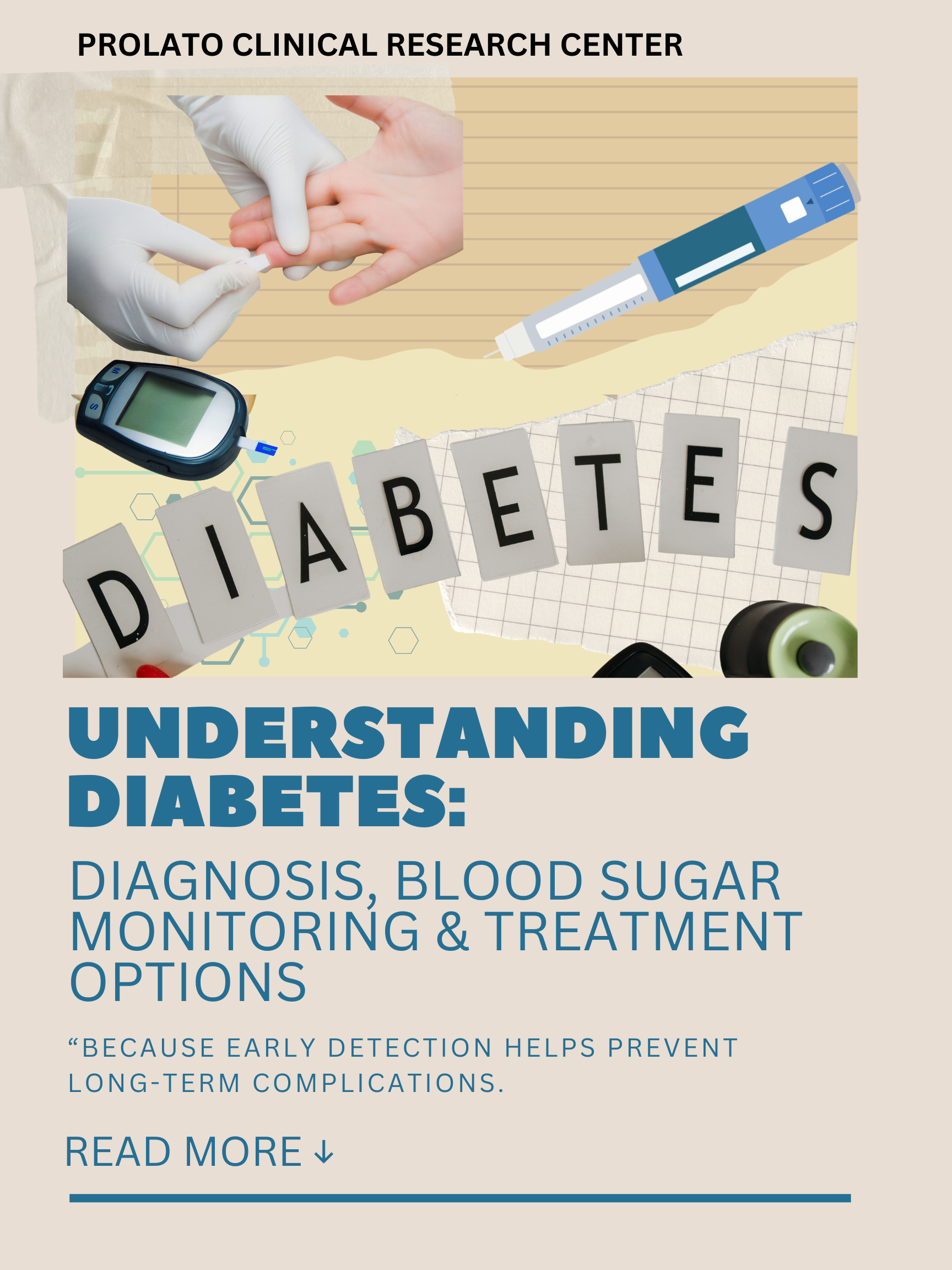
Diabetes: The Mystery of the Broken Key
When you eat, your body turns food into glucose—the fuel your organs rely on. But without properly working insulin to guide it into your cells, sugar builds up in the bloodstream, leading to diabetes and long-term damage. Understanding this process is key to protecting your health..

I Forgot What It's Called... Alzheimer's?
Alzheimer’s disease is often associated with memory loss, but its impact extends far beyond forgetfulness. Affecting millions of older adults in the United States, this progressive neurological condition develops silently over time, driven by complex changes in the brain that disrupt memory, thinking, and behavior. Despite growing awareness and recent advances in treatment, options remain limited, making early understanding and continued research essential. This article explores what Alzheimer’s disease is, how it presents, and why clinical research plays a critical role in shaping future care.
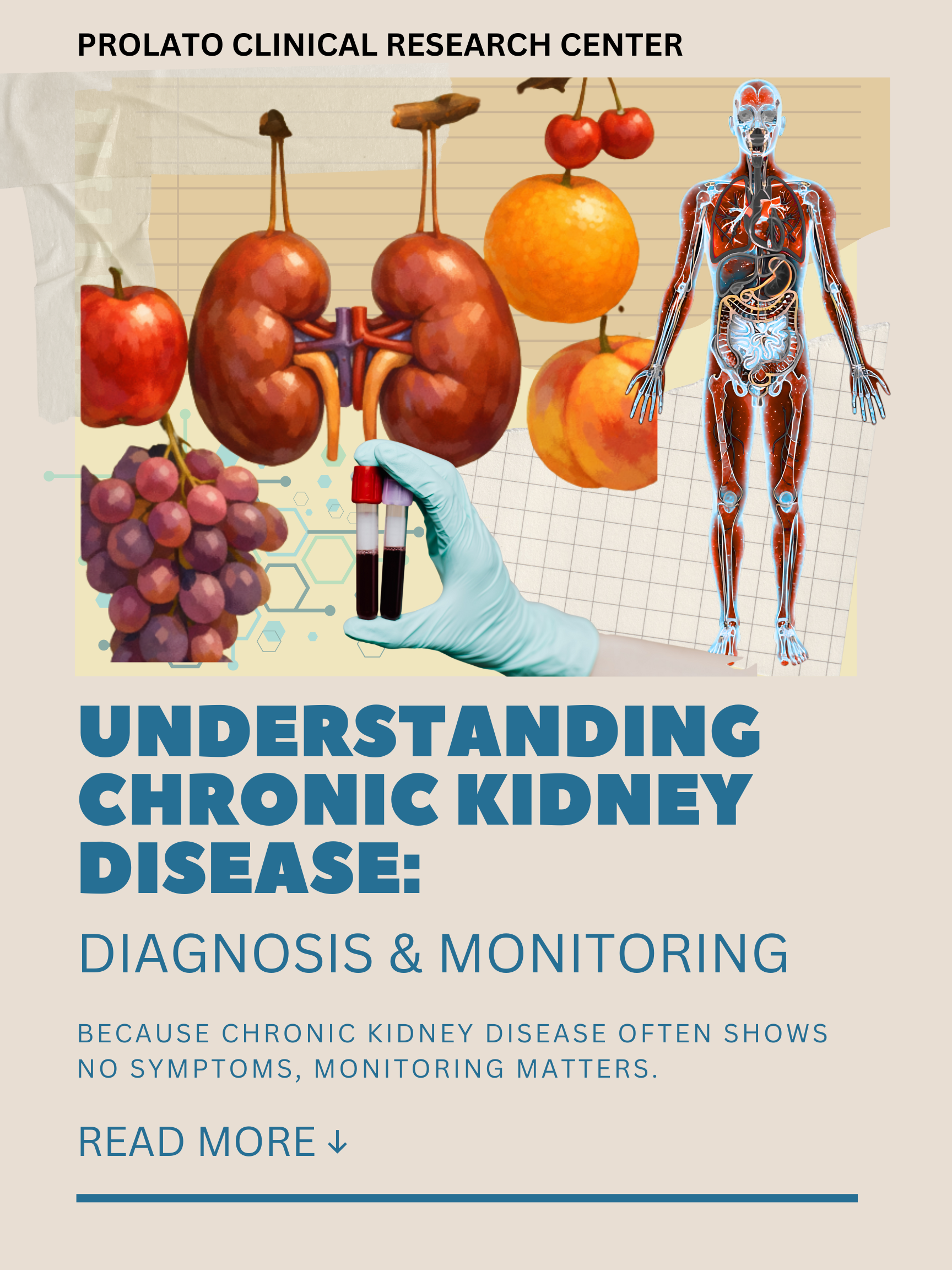
Chronic Kidney Disease: The Fragile Balance Within
Your kidneys work silently every day to keep your body in balance. Chronic kidney disease often develops without symptoms, making early care essential. Learn how subtle stressors impact kidney health—and how research-driven care can help protect function before lasting damage occurs.

A Story About Graves’ Disease
When Joe wakes in the middle of the night with a racing heart, burning eyes, and a body that no longer feels like his own, he has no idea that these unsettling changes are signs of something deeper. What begins as exhaustion, anxiety, and unexplained weight loss soon leads to a diagnosis of Graves’ disease—an autoimmune condition that affects the thyroid and can quietly disrupt nearly every system in the body. Through Joe’s story, this piece sheds light on the early warning signs, symptoms, and realities of living with Graves’ disease, highlighting the importance of awareness, early testing, and proper medical care.

Lupus Nephritis: How It’s Diagnosed and Monitored
Lupus Nephritis: How It’s Diagnosed and Monitored